
Understanding the psychology behind player choices in casinos
The Role of Emotions in Gambling Decisions
Emotions play a critical role in influencing player choices in casinos. When individuals engage in gambling, they often experience a whirlwind of emotions, ranging from excitement and anticipation to anxiety and fear. The thrill of potentially winning can create a euphoric state, encouraging players to bet larger amounts. On the other hand, losing can evoke feelings of frustration or desperation, which may drive players to chase losses by making irrational decisions. This emotional rollercoaster often results in behavior that contradicts logical reasoning. Additionally, to understand how privacy is maintained for users, you can find more information at https://pincocasino.ca/privacy-policy/.
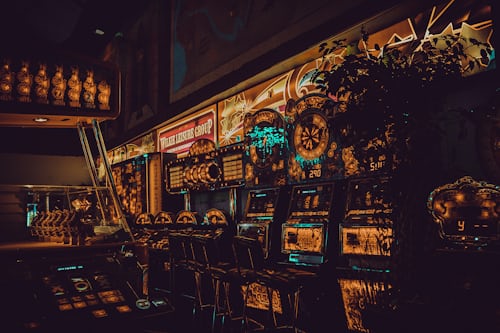
The concept of loss aversion is particularly relevant in this context. Research indicates that the pain of losing is often felt more intensely than the pleasure of winning. As a result, players may continue to gamble in hopes of recovering their losses, leading to prolonged engagement with gambling activities. Understanding this emotional aspect is crucial for casinos, as it allows them to create an environment that maximizes emotional highs while minimizing lows, thereby enhancing the gaming experience.
Moreover, social dynamics can amplify these emotional responses. When players gamble in a communal setting, the emotional energy can be contagious. For instance, the cheers of fellow players can elevate an individual’s excitement, leading them to make bolder choices. In contrast, a tense atmosphere following a string of losses can dampen the mood, impacting decision-making. By recognizing these emotional factors, casinos can tailor their environments to influence player choices effectively.
The Impact of Cognitive Biases
Cognitive biases significantly shape how players perceive their chances of winning and influence their gambling behavior. One common bias is the gambler’s fallacy, where players believe that past outcomes affect future results. For example, a player might think that a slot machine is “due” for a win after several losses, leading them to continue playing even when the odds are statistically against them. This irrational thought process can result in prolonged gambling sessions and increased spending. Understanding how these biases work can benefit platforms like Pinco Casino in crafting their game designs.
Another relevant bias is confirmation bias, where players seek information that supports their beliefs while ignoring contradictory evidence. For instance, a gambler who believes they have a winning strategy may focus solely on their successes while dismissing losses. This selective attention reinforces their gambling behavior and can lead to further irrational choices. Understanding these cognitive biases is essential for casinos, as they can use this knowledge to create games and promotions that align with players’ mental shortcuts.
Additionally, the illusion of control is a prevalent phenomenon in gambling. Many players believe that they can influence the outcome of games, particularly in skill-based activities like poker. This belief can lead to overconfidence and riskier bets, as players feel they have a better chance of winning than they actually do. Casinos can leverage this by offering games that enhance the perception of player control while still maintaining the house edge.
The Influence of Environment and Design
The physical environment of a casino profoundly impacts player choices. Elements such as lighting, sound, and layout are strategically designed to create an inviting and stimulating atmosphere. For example, bright lights and vibrant colors can evoke excitement, while soft seating and welcoming spaces encourage players to linger longer. This intentional design can lead to more impulsive decision-making, as players become immersed in the gaming experience.
Furthermore, the layout of gaming machines and tables can influence player behavior. Casinos often place high-stakes games in high-traffic areas to attract attention, while low-stakes games are positioned in quieter sections. This placement affects player choices, as individuals may be more likely to take risks in a bustling environment where excitement is palpable. Understanding these environmental cues allows casinos to manipulate player choices subtly, leading to increased engagement.
Moreover, sensory experiences play a critical role in shaping player perceptions. The sound of coins clinking, the whirring of slots, and upbeat music create an exhilarating ambiance that can drive players to make impulsive bets. By effectively managing sensory inputs, casinos can enhance the overall experience and encourage players to spend more time and money at their establishments. This highlights the importance of environmental psychology in understanding player choices in casinos.
Cultural Perspectives on Gambling
Culture significantly influences gambling behavior and player choices across different societies. Attitudes towards gambling can vary greatly, with some cultures embracing it as a form of entertainment while others view it as taboo. These cultural perspectives shape how individuals perceive risks and rewards, ultimately influencing their decisions when engaging in casino activities. In cultures where gambling is celebrated, individuals may be more inclined to take risks, believing that luck plays a vital role in their lives. This is particularly relevant in the context of online platforms like Pinco Casino Canada.
Furthermore, social norms within cultures can dictate acceptable gambling practices. In some societies, group gambling is encouraged as a bonding activity, while in others, it may be frowned upon. This cultural context can affect how individuals approach gambling, as they may feel pressured to conform to societal expectations. Casinos that recognize these cultural dynamics can tailor their offerings to resonate with specific demographics, enhancing player engagement.
Additionally, the rise of online casinos has introduced new cultural dimensions to gambling. With platforms like Pinco Casino offering diverse gaming experiences, players from various backgrounds can interact in a digital space. This accessibility creates a melting pot of gambling cultures, where individuals can share strategies, experiences, and beliefs. Understanding these cross-cultural interactions is essential for casinos aiming to attract a global audience while respecting local customs.

Exploring the Online Casino Experience
In recent years, online casinos have transformed the gambling landscape, providing players with the convenience of gaming from home. Platforms like Casino Canada offer a comprehensive online gaming experience, featuring a wide array of casino games and live dealers. This shift has not only broadened accessibility but also changed the psychological factors that influence player choices. The anonymity of online gambling can lead to more risk-taking behavior, as players feel less accountable for their decisions.
Moreover, the user interface and design of online casinos play a crucial role in guiding player choices. A well-designed website can enhance the overall user experience, making it easier for players to navigate and discover new games. Additionally, incorporating features like bonuses and promotions can incentivize players to take risks they might avoid in a traditional casino setting. Understanding these dynamics is vital for online casinos looking to attract and retain players.
With a commitment to responsible gaming, platforms like Casino.ca prioritize user privacy while offering a secure environment for players. This emphasis on security and user experience not only builds trust but also encourages players to engage more freely. By combining psychological insights with innovative technology, online casinos can create an engaging and responsible gaming atmosphere that resonates with players, catering to their diverse preferences and needs.